German grammar explained
Der, Die and Das Explained
Learn German articles with simple rules, der, die and das examples, noun gender patterns and beginner-friendly practice.
What do der, die and das mean in German?
Der, die and das all mean the in German. The difference is grammatical gender: der is usually masculine, die is feminine, and das is neuter. For example: der Mann, die Frau, das Kind.
Der, die and das explained simply
In English, the definite article is simple: we say the. In German, the word for the changes depending on the gender of the noun.
German nouns belong to one of three grammatical genders: masculine, feminine or neuter. This does not always match natural gender or logic. That is why das Mädchen means “the girl”, even though das is neuter.
The best beginner strategy is not to learn nouns alone. Learn every noun together with its article: der Tisch, die Lampe, das Haus. Over time, patterns become easier to recognize.
German articles: der, die and das
| Gender | Article | Example |
|---|---|---|
| Masculine | der | der Mann |
| Feminine | die | die Frau |
| Neuter | das | das Kind |
| Plural | die | die Kinder |
Notice that die is used twice: for feminine singular nouns and for plural nouns.
When do you use der, die and das?
Use der, die or das when you mean the and you are talking about a specific noun.
Use der with many masculine nouns
Use die with feminine nouns
Use das with neuter nouns
German noun gender patterns
There is no perfect rule that tells you the gender of every German noun. However, some endings and word groups are very useful for beginners.
Common masculine patterns
Many days and months are masculine: der Montag, der Januar.
Common feminine patterns
die Zeitung, die Freiheit, die Möglichkeit, die Freundschaft.
Common neuter patterns
das Mädchen, das Brötchen, das Fräulein.
Der, die and das examples
Why der, die and das change in German cases
German articles can change when the noun has a different role in the sentence. This is why learners see forms like den, dem and der.
If this feels confusing, start by learning the basic noun gender first: der, die and das. Then study the accusative and dative cases step by step.
Common der, die and das mistakes
Do not guess only from meaning. German grammatical gender is not always logical. For example, das Mädchen means “the girl”.
Do not learn nouns without articles. Instead of learning Haus, learn das Haus.
Remember that die can mean feminine singular or plural: die Frau = the woman, but die Frauen = the women.
Der, die and das cheat sheet
die = feminine singular
das = neuter singular
die = plural
der Tisch • die Lampe • das Haus
Practice what you just learned
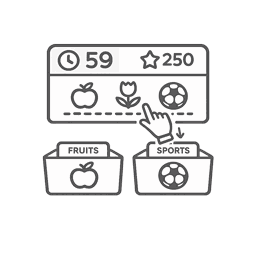
Now it's time to build intuition for German articles. Start with focused der, die and das exercises, then use the arcade game to sort German nouns by gender until the patterns begin to feel natural.
Send us feedback
Did you find a bug or have a request for a new game or word set?